

By Yui Nakamura
Tokyo
Economic Trends: Growth vs. Inflation
The U.S. economy is showing steady—but mixed—signs. Annual GDP growth is tracking around 2%, a solid pace though slower than some recent years. Productivity gains, particularly tied to investments in technology and artificial intelligence, offer a bright spot, helping fuel output even as workforce growth and immigration slow. Core inflation—especially for goods and services excluding food and energy—remains higher than the Fed’s 2% target. Rising costs for energy and certain imported goods are contributing to inflationary pressure. Economists anticipate inflation will gradually ease, especially if tariff effects fade and energy prices stabilize.
Monetary Policy & Interest Rates
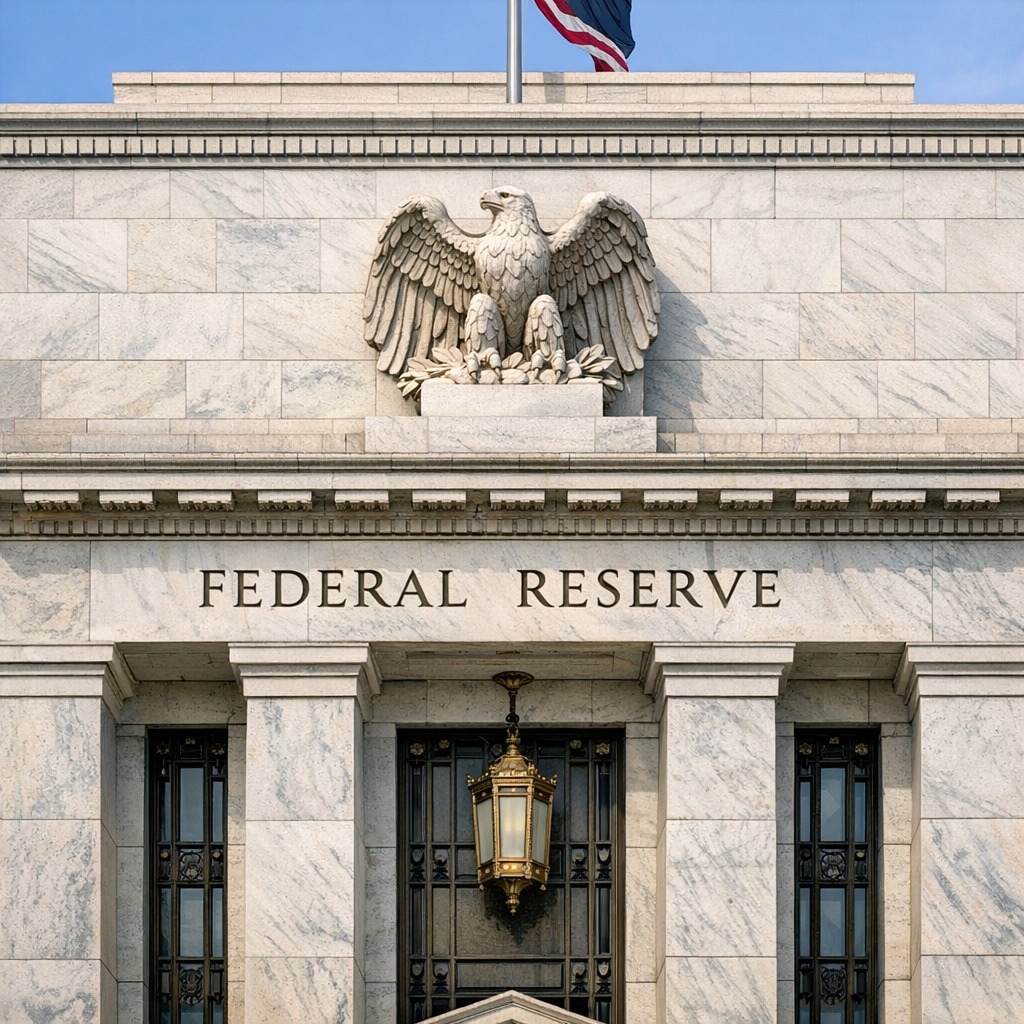
The Federal Reserve has responded to persistently elevated inflation by raising benchmark interest rates. Recent moves suggest the Fed expects rates to stay at restrained levels for a period, balancing the risk of overheating with concerns about dampening growth too sharply. Markets are watching closely whether inflation proves sticky, particularly in non-housing services and energy sectors, which could necessitate further tightening.
Public Mood and Political Landscape
Americans’ views of the national government remain strained. Many cite government leadership or political dysfunction as among the most pressing problems facing the country. Immigration and economic concerns also rank highly among public priorities. Concerningly, polarisation continues to shape how Americans perceive both policy and progress, influencing what initiatives receive bipartisan support and which become polarized symbols.
Policy Press Points
- Tariffs and Trade: Tariff-driven increases in prices of imported consumer goods have contributed to inflation. There is growing discussion of how to adjust trade policies to ease cost burdens.
- Labor Market: Employment remains relatively strong, though growth has moderated. Tightness in certain sectors persists, especially in tech and healthcare, while other areas show signs of cooling.
- Federal Budget and Deficit: Although the fiscal deficit has narrowed slightly, government debt levels remain elevated. Long-term projections suggest that without adjustments, deficits could continue to pose challenges for economic stability.
- Bipartisan Cooperation: Given the divided nature of Congress and public opinion, initiatives that command broad support—such as infrastructure improvements or regulation of emerging technologies—are more likely to move forward. Major legislation remains difficult without some level of cross-party collaboration.
What to Keep Watch On
For those observing from abroad—Tokyo included—several developments merit attention:
- The trajectory of U.S. inflation—is it falling smoothly, or will persistent pressures force renewed hawkish policy from the Fed?
- Actions affecting supply chains and international trade—tariffs, trade deals, import costs—since they affect global markets and consumer prices worldwide.
- Public sentiment and political leverage—how public views shape policy outcomes, especially as midterms, Supreme Court decisions, and high-profile legislative battles loom.
- Monetary policy decisions—especially interest rate settings, which influence global capital flows and exchange rates, relevant for international investors and business.
In short, the U.S. is in a delicate balancing act: managing inflation without derailing growth, responding to public distrust, and seeking consensus across political divides. For those of us observing overseas, these dynamics have ripple effects—from trade and technology to global economic stability.