

The United States economy is experiencing a period of significant change, influenced by various domestic and international factors. This article provides an overview of recent developments, focusing on inflation trends, leadership transitions at the Federal Reserve, and the impact of international trade policies.
Inflation and Consumer Confidence
Inflation remains a pressing concern for the U.S. economy. Recent data indicates that consumer confidence has been dented due to high gas prices and elevated inflation levels. This trend reflects the challenges faced by American consumers as they navigate rising costs in their daily lives.
Federal Reserve Leadership Transition
A significant change in the Federal Reserve’s leadership has occurred with Kevin Warsh being sworn in as the new chair, replacing Jerome Powell. This transition comes at a critical time, as the Federal Reserve plays a pivotal role in managing monetary policy and addressing economic challenges. Observers are keenly watching how Warsh’s policies will influence the economy, particularly in areas such as interest rates and inflation control.
Impact of International Trade Policies
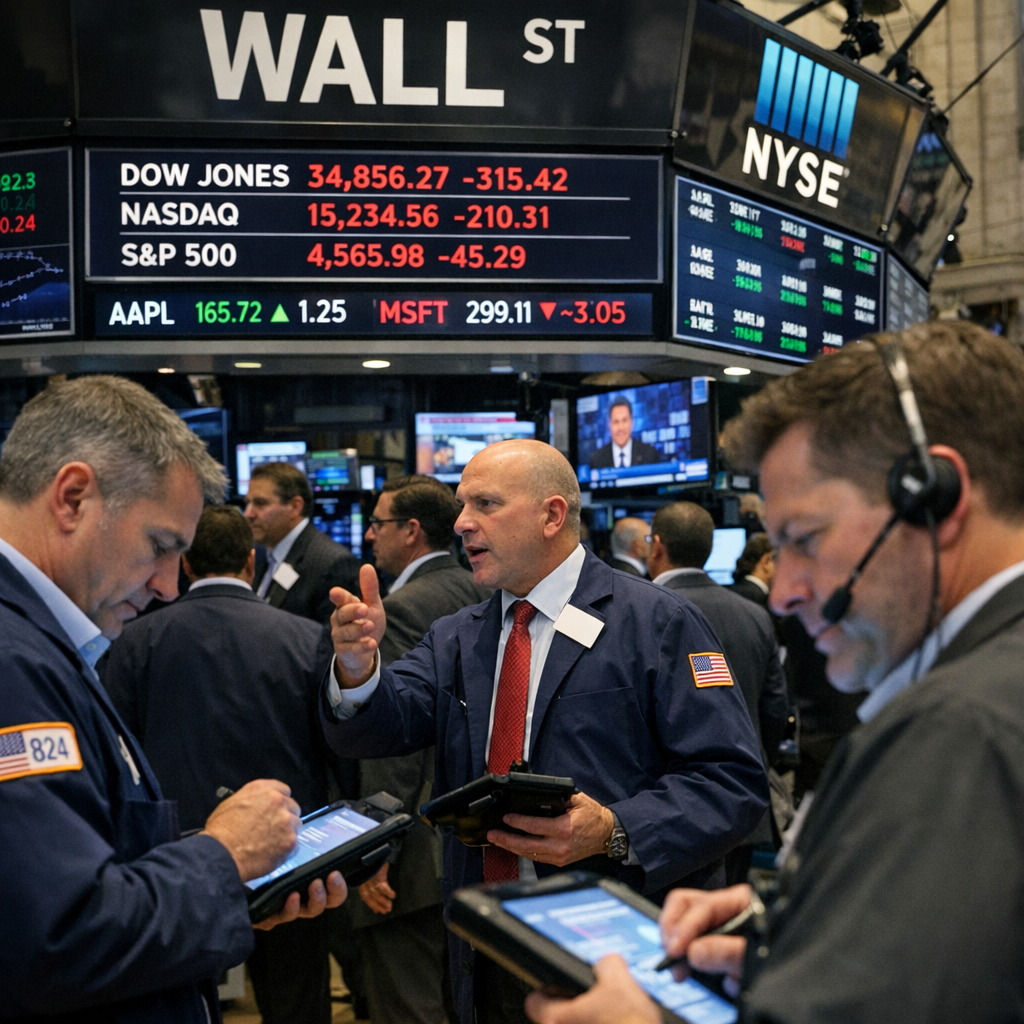
International trade policies continue to have a substantial impact on the U.S. economy. The ongoing trade disputes and tariffs have led to market volatility and concerns about economic stability. For instance, President Trump’s recent tariff announcements have been linked to significant drops in global markets, prompting calls for patience and resilience from the administration.
In conclusion, the U.S. economy is navigating a complex landscape marked by inflationary pressures, leadership changes at the Federal Reserve, and the repercussions of international trade policies. These factors collectively shape the economic outlook and influence both domestic and global markets.